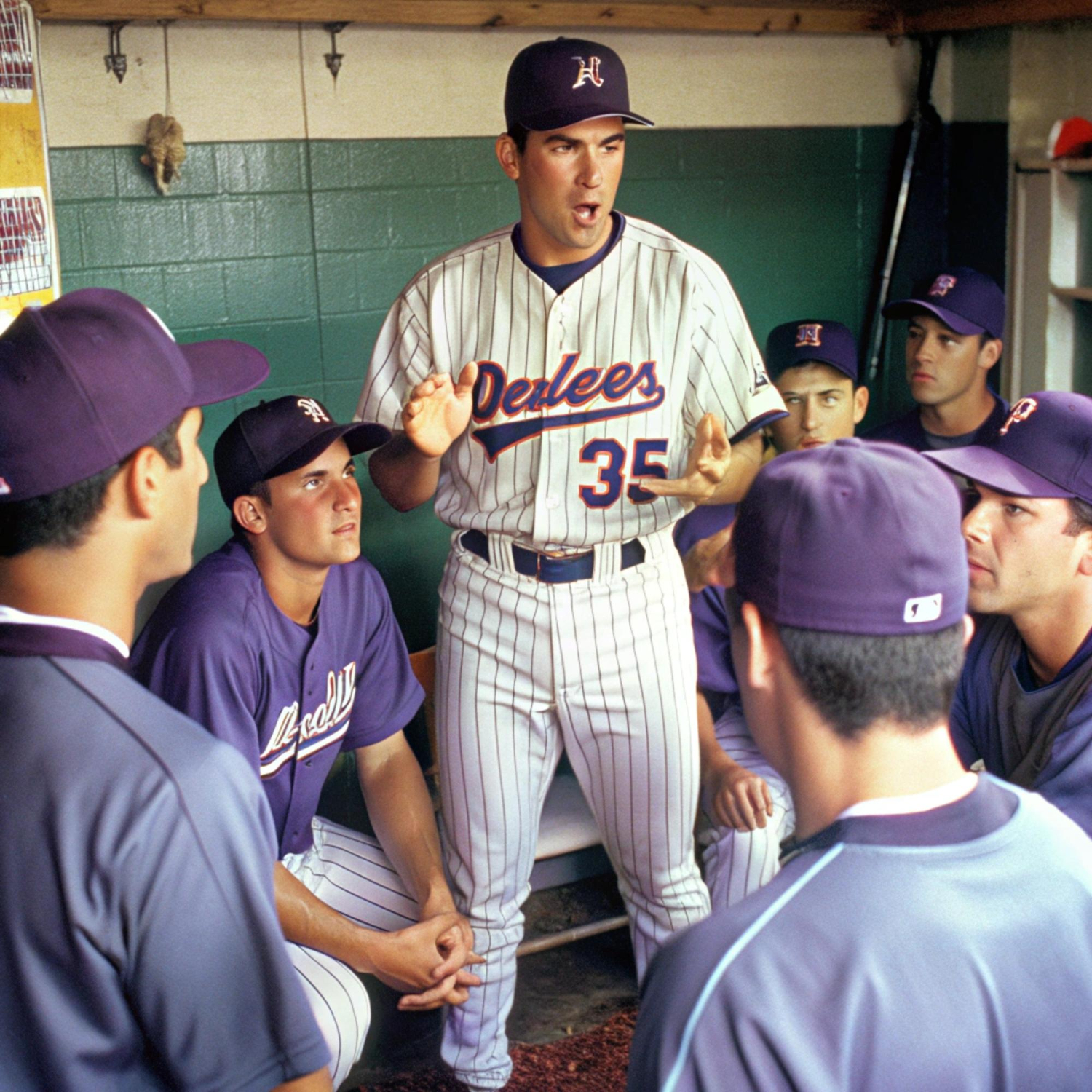
Underdog teams have been able to reach unprecedented heights and have recently started to alter the ways things are done in college baseball. For a long time, programs with a lot of money, like Vanderbilt, LSU, and Texas, were dominating NCAA baseball recruiting rankings, all while being steeped in tradition. But now, the teams that have been labeled as underdogs are overthrowing this hierarchy. The 30-position growth of Coastal Carolina within the 2024 recruitment rankings is a prime example of how the ‘mid-major’ programs combine innovation, strategic planning, and out-of-the-box ideas to draw in the top talent, thereby not only competing with but changing the very competitive dynamics of college baseball.
What Accurately Reflects an Underdog in Baseball Recruiting?
Baseball recruiting is broken down into different categories, wherein NCAA baseball rankings are the criteria distinguishing underdog teams as those with less money, less fancy locations, and few historical accomplishments. While top programs enjoy the luxuries of hi-tech training centers and the triumph of decades-long traditions, these teams must use creative strategies to become alluring to high-caliber players and to expand their recruiting standings.
Three Key Factors Driving Underdog Success
Advanced Analytics and Scouting: The internet and available data have completely opened up the door to talent evaluation, even for smaller programs. The smaller programs can now employ complex metrics for discovering highly underestimated prospects, which in turn can help them gain a better position in NCAA baseball recruiting rankings.
Creative Recruiting Strategies: Underdog teams often concentrate on specific types of players, for instance, they select young ones from geographical areas where baseball is not traditionally practiced or skillful individuals with abilities unimaginable by typical recruiting profiles.
NIL Deal Innovation: Name, image, and likeness sources have given another way for small circles to have meaningful competition. From business collaborations in the close neighborhood, they can lure recruits and improve their recruiting levels.
Challenges and Opportunities
Even if underdog programs are still confronted with hard challenges, such as recruiting budgets that are 15-20% of what the elite schools have, limited facilities, and geographic disadvantages. However, they have managed to turn these obstacles into their advantages. Those teams hand out immediate playing time to their recruits, provide them with the most personalized coaching, and let them feel the tight-knit community that cannot be matched by the bigger ones. They make use of advanced analytics, creatively engage in NIL business with the help of local companies, and build their reputation as player development incubators. In such a way, they show that elite talent development is not exclusively for the long-established giants.
Conclusion
The NCAA baseball recruiting rankings are updating the way they look at players. As more underdog teams get their feet on the ground, the disruption under new hierarchies will not only continue but also become the new norm. This means schools with baseball will experience competitions that are closest to evenly matched, like never before.